Approvals
Do you need council approval for a shed in Queensland?
By Lockyer Sheds, Crowley Vale QLD ·Getting started · 8 min read · Published
Short answer
Most sheds in Queensland need a building approval. The Building Regulation 2021 exempts only a small Class 10 building of no more than 10 m² plan area, 2.4 m high, 2.1 m mean height and no side longer than 5 m, and not in a cyclonic area. Rural sheds 200 m or more from every road and boundary on agricultural land are a separate exemption. Planning-scheme rules can still apply, and a building certifier confirms the approval path.
The short answer
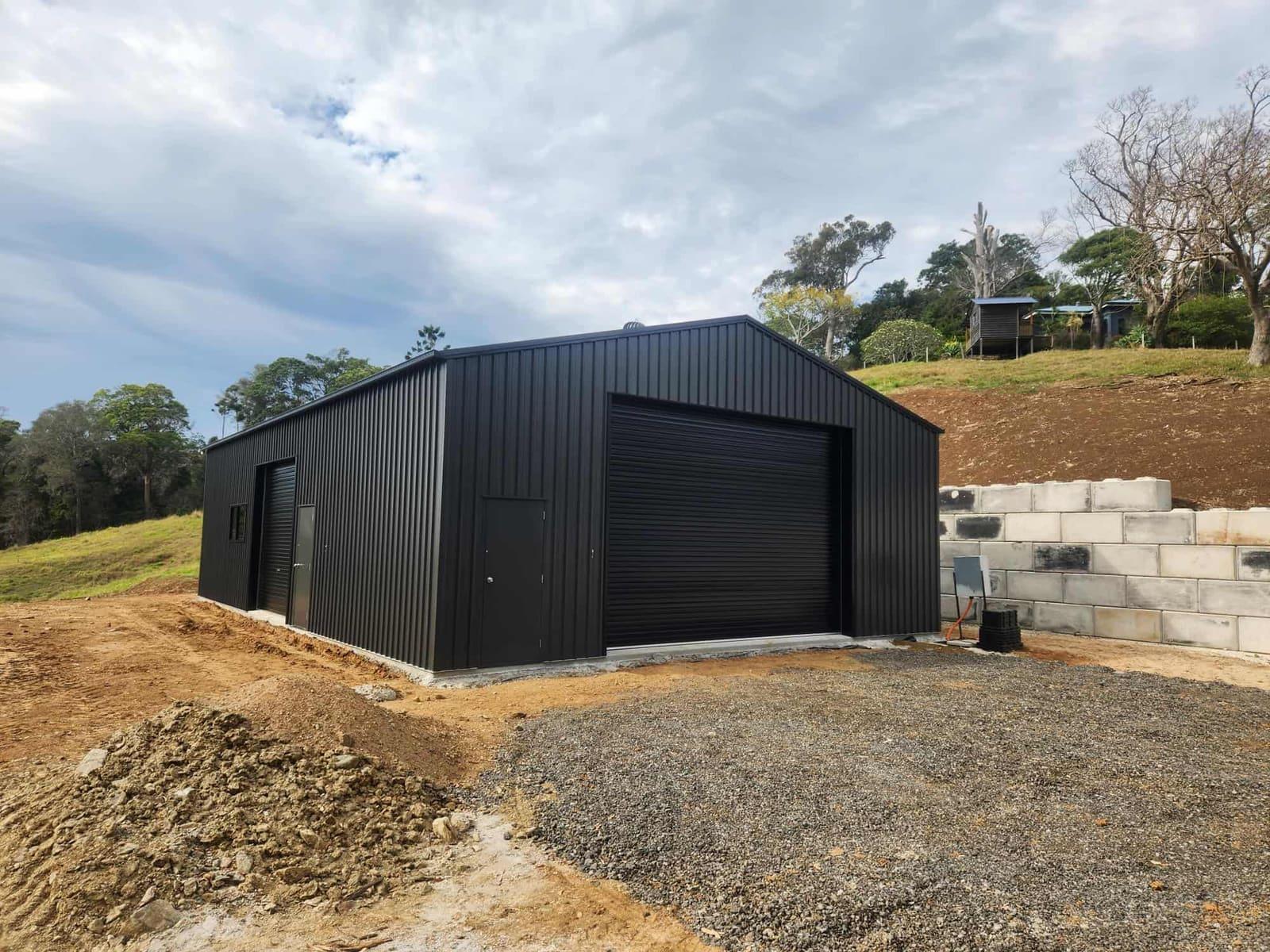
If the shed is bigger than a garden tool shed, plan on getting a building approval. Queensland's Building Regulation 2021 lets a small Class 10 building go ahead without one, but the limits are tight, and almost every garage, carport, farm shed or workshop is well past them. A building approval comes from a building certifier, who can be private or employed by the council, and in some cases the council also needs to assess the shed under its planning scheme first.
This guide explains how the rules fit together so you know what to ask your certifier. It is general information, not advice about your lot. The certifier and your council are the people who decide.
What size shed can you build without a permit in Queensland?
Schedule 1 section 13 of the Building Regulation 2021 makes building work for a Class 10 building or structure accepted development (self-assessable) when all of these limits are met:
| Limit | What the regulation says |
|---|---|
| Plan area | No more than 10 m², measured to the extremities including overhangs (and including any existing area) |
| Height | No more than 2.4 m above natural ground |
| Mean height | No more than 2.1 m, worked out as the elevational area facing a boundary divided by its horizontal length |
| Length of any side | No longer than 5 m |
| Location | Not within Wind Region C (the tropical cyclone area in AS 1170.2-2011) |
Two points catch people out. First, the plan area includes the overhangs, so a 3 m × 3 m shed with generous eaves can end up over 10 m². Second, accepted development still has to comply. The owner remains responsible for the shed meeting structural requirements, size limits and boundary setbacks, and Business Queensland notes that minor work can still need approval under the council's planning scheme.
The rural exemption: sheds 200 m from roads and boundaries
Schedule 2 section 4 of the same regulation covers a different case. Building work for a Class 10 building or structure is exempt when it is on land used for agricultural, floricultural, horticultural or pastoral purposes and no part of it is within 200 m of a road or a boundary of the land. It cannot be a regulated pool or pool fence. The regulation states no size limit for this exemption.
Toowoomba Regional Council describes the same test for rural and farm sheds: more than 200 m from each boundary and used with a rural use on the site, such as housing machinery or hay. If your machinery shed will sit near the house or close to the road, as most do, the exemption does not apply and the shed goes through the normal approval path.
Note:A shed that needs no building approval can still be controlled by the planning scheme. Height, setbacks and total outbuilding area are common planning controls, particularly in residential and rural residential zones.
Building approval and planning approval are different things
A building approval checks the shed against the building assessment provisions: the structure, the siting standards and the rest of the Building Code. A planning approval checks whether the use and the building fit the council's planning scheme. For a domestic shed behind an existing house, planning approval is often not needed because the scheme treats it as accepted development, but zones and overlays change that.
When a matter needs planning-scheme assessment, Business Queensland explains that the certifier must wait for the council's separate development permit before issuing the building approval. That is why the first call for a larger rural or commercial shed is often to the council's planning desk, not the certifier.
Signs you may need council involvement
- The lot has a flood, bushfire, heritage, character or landslide overlay.
- The shed is on vacant land with no house, or is for a business use.
- The total floor area of all outbuildings is large compared with the lot, which some schemes limit in rural residential zones.
- The shed sits inside the boundary clearance and does not meet the siting standard, which needs a council referral (a siting variation).
Boundary setbacks for sheds
Siting has been set by the Queensland Development Code MP 1.1 and MP 1.2 unless a council's scheme sets its own standard. Under MP 1.2 (lots of 450 m² and over), a Class 10a building may sit within the side and rear boundary clearance only if the part within the clearance is no more than 4.5 m high with a mean height of no more than 3.5 m, the total length of buildings within the clearance along any one boundary is no more than 9 m, and it is no closer than 1.5 m to a required window in a habitable room next door. Outside those limits, the shed takes the normal boundary clearance, and a proposal that does not meet the standard needs a council referral.
Note:The Queensland Housing Code started on 1 September 2026 and replaces QDC MP 1.1 and MP 1.2 for house siting. During the transition to 1 September 2029 it applies in a council area only once that council's planning scheme says how it applies, so check which siting rules your council is using today.
Farm sheds, machinery sheds and building class
Most domestic sheds are Class 10a: a non-habitable building such as a private garage, carport or shed. Farm buildings are less simple. The NCC's explanatory information says a shed used to store a tractor may be Class 10a, while a building where machinery is stored in numbers or people work regularly may be Class 7 or 8. In Queensland, QDC MP 3.7 replaces the NCC farm building provisions and gives specific concessions for farm buildings and vehicle storage farm sheds. Your certifier decides the classification, and it changes what the design must provide.
Who approves the shed
Building certifiers are licensed by the QBCC. They assess the building application, decide whether to issue the approval and inspect the work at the required stages. Business Queensland is clear that a certifier must not design the building or carry out the work. Some councils still certify Class 10 buildings; others, such as Logan and Redland, leave building certification to private certifiers.
For a shed, the certifier will usually ask for a site plan showing the shed and its distance to each boundary, elevations and floor plan, the engineering for the shed and its footings, and any planning or referral response already obtained.
How Lockyer Sheds helps
Our council approval service prepares and lodges the paperwork for sheds, garages and carports we supply: the drawings and engineering for the building, the site plan information and the application through a certifier. We tell you early if the lot looks likely to need planning approval or a siting variation. We cannot promise an approval: the certifier and the council make that decision, and fees paid to them are the owner's.
- Check the zone and overlays for your lot on the council's planning scheme or property report.
- Decide where the shed will sit and measure to each boundary and the house.
- Send us the address, the size you have in mind and a sketch or photo of the site.
- We confirm the approval path and include the approval work in your quote if you want it.
Sources
- Building Regulation 2021 (Qld), Schedules 1 and 2
- Business Queensland – When building approval is not needed
- Business Queensland – Building certifiers
- Business Queensland – Planning schemes
- Queensland Development Code MP 1.2 – Design and siting standard for lots 450 m² and over
- Business Queensland – Queensland Development Code (Queensland Housing Code transition)
- NCC 2022 Volume One, Part A6 Building classification (ABCB)
- Business Queensland – QDC MP 3.7 Farm buildings and vehicle storage farm sheds
- Toowoomba Regional Council – Sheds, shipping containers and tents
- Toowoomba Regional Council – Building in the Toowoomba Region
- Brisbane City Council – Sheds
- Logan City Council – Building approval requirements (domestic)
- Redland City Council – Queensland Development Code and building applications